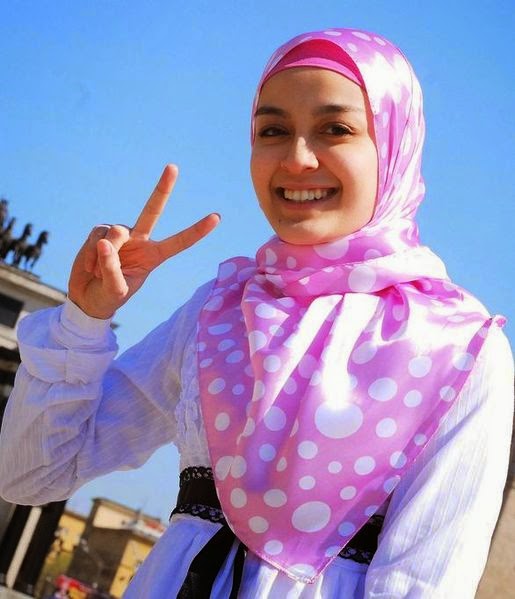
Posts mit dem Label Was ist Hijab - What is hijab werden angezeigt. Alle Posts anzeigen

Donnerstag, 25. Juni 2020

Coronavirus-Gesichtsmasken || Corona virus face masks


Gesichtsmasken sind hier seit kurzem Pflicht in öffentlichen Verkehrsmitteln, um die Verbreitung des Coronavirus zu verlangsamen. Ich hab in den letzten drei Monaten nicht wirklich öffentliche Verkehrsmittel benutzt, aber ich dachte, es ist besser, vorbereitet zu sein, also hab ich ein paar Gesichtsmasken für das P-linchen und micht bestellt. Und weil Einwegmasken hässlich sind und nicht gut für die Umwelt, hab ich stattdessen ein paar wiederverwendbare Masken von Etsy verwendet.

Face masks have recently become compulsory here on public transport, to help prevent the spread of the corona virus. I haven't really been using public transport in the last 3 months, but I thought it would be better to be prepared, so I ordered a couple of face masks for both little P and me. And because the one-use face masks are both ugly and not that great for the environment, I ordered a few reusable cotton masks from Etsy instead. 

Ich trage meisten rosane, blaue oder dunkeltürkise Kopftücher, also hab ich die Gesichtsmasken dementsprechend ausgewählt. Politisch gesehen würde ich immer das Recht jeder Frau, Niqab zu tragen, verteidigen, aber für mich persönlich ist Niqab nichts. Insofern war der Gedanke, dass ich jetzt de facto Teilzeit-Niqabi bin, ziemlich komisch ... vor allem, weil es auf Geheiß derselben Regierung war, die hier seit Jahren schon Niqabis auf die schlimmste Art und Weise verteufelt.

Most of the headscarves I wear are either pink, blue or teal, so I chose the face masks accordingly. While I politically support every woman's right to wear niqab, I would personally never consider wearing it, so it's been quite a strange thought that I have now de facto become a part-time niqabi ... especially considering that this has been on the orders of the same government that has been vilifying Muslim women in the most horrifying ways for years. 

Aber Politik beiseite, hier sind ein paar der Gesichtsmasken, die ich bestellt habe. Ich habe sie von zwei verschiedenen Etsy-Verkäuferinnen bestellt: Dandy Floss Crafts und Alicias Gift Store. Die Masken von Dandy Floss sind als erstes angekommen ... in pinkem Seidenpapier in einem schwarzen Umschlag:

But politics aside, here are the face masks I ordered. I ordered from two different Etsy shops: Dandy Floss Crafts and Alicias Gift Store. The masks from Dandy Floss arrived first ... wrapped in pink silk paper inside a black letter:


Die blaue Maske ist für mich, und die graue für das P-linchen:

The blue mask is for me, and the grey one for little P:


Die zweite Lieferung, von Alicias Gift Store, kam ein paar Tage später hier an ... in weißem Seidenpaper in einem rosa Umschlag:

The second delivery, from Alicias Gift Store, got here a few days later ...wrapped in white silk paper, inside a pink letter:


Die Polka-Dot-Masken sind für mich,
und die hellblaue Maske für das P-linchen:

The two polka dot masks are for me, 
and the light blue one is for little P:


Ich bin jetzt immer noch ein großer Fan von Gesichtsmasken, aber diese hier sehen wenigstens schön aus - und wir sind jetzt vorbereitet und können öffentliche Verkehrsmittel benutzen, wenn wir müssen.

I'm still not a big fan of face masks, but at least these look nice - and we are prepared now and able to use public transport when we need to.

Mittwoch, 8. März 2017

Alles Gute zum Internationalen Frauentag || Happy International Women's Day

Es ist schon spät, und ich bin müde (vom Powerfrau-Sein 😎 ), aber alles Gute zum Internationalen Tag der Frau wollte ich euch doch wünschen ... mit diesem ziemlich coolen Video von Deen Squad, das Hijabis im Westen feiert - lasst euch nicht unterkriegen, Mädels ❤

It is late already and I'm rather tired (from being one of many awesome women out there 😎 ), but I did want to quickly wish all of you Happy International Women's Day ... with this pretty cool video by Deen Squad that celebrates hijabis in the West - don't let them put you down, ladies, keep on being awesome ❤


Montag, 22. Februar 2016

Der Körper einer Frau || A woman's body


"Es wurde uns beigebracht, dass der Körper einer Frau Männer Sünde begehen lässt. Es wird uns erzählt, dass, wenn eine Frau zu viel ihres Körpers zeigt, Männer Dummheiten begehen. Lasst uns das ganz klar sagen: Der Körper einer Frau ist nicht gefährlich. Ihr Körper wird euch keinen Schaden zufügen. Wenn ihr Dummheiten begeht, dann liegt das daran, dass ihr die Entscheidung getroffen habt, Dummheiten zu begehen." ~ Nate Pyle, How to See a Woman: A Conversation Between a Father and Son (via aestheticintrovert)
lököl

Freitag, 12. Februar 2016

Sich von Unwesentlichem lösen || Detachment


Sich von Unwesentlichem zu lösen heißt nicht, dass man nichts besitzt, sondern dass nichts dich besitzt. ~ Ali Ibn Abi Talib (ra)

Ethische Mode Ethical Fashion Conscious Fashion Bewusste Mode

Donnerstag, 7. Januar 2016

In den Medien 2 || In the media 2


Hallo, da bin ich wieder. Ich weiss, es ist schon 'ne Weile her, seit dem letzten Blogpost ... ich war einen Monat lang im Lebanon und so beschaeftigt, dass ich es weder geschafft habe, Outfit-Bilder zu machen noch einen Blogpost zu schreiben. Ich habe ein Foto von dem Outfit, in dem ich gereist bin, gemacht und eins von einer Frau im Zug auf dem Weg vom Flughafen zurueck nach Hause, die ich inshaallah demnaechst hier posten werde.

In der Zwischenzeit gibt es andere News: Mein Blog ist wieder in den Medien erwaehnt worden! Das Magazin Edition hat mich heute kontaktiert und nach meiner Meinung zur neuen Dolce & Gabbana-Kollektion, die sich explizit an muslimische Frauen richtet, gefragt. Den Artikel findet ihr hier. Das ist das zweite Mal, dass mein Blog in den Medien erwaehnt wird, nachdem ich vor ein bisschen mehr als einem Jahr von der ARD interviewt wurde.

Hi guys, here I am again, I know it's been a while ... I was in Lebanon for a month and was so busy I did not get a chance to take any outfit pictures or compose a blog post. I did take a picture of the outfit I travelled in and another one of a woman in the train from the airport home which I'll share with you soon inshaallah. 

In the meantime, I am quite excited to share with you that my blog has been featured in the media again. I was contacted by the magazine Edition F today and asked for my opinion on the new Dolce & Gabbana collection explicitly targeting Muslim women. You can find the article (in German) here. It's second time my blog has been featured in the media after the ARD (the German equivalent of the BBC) interviewed me a bit more than a year ago.
hijab blog Kopftuchmode

Dienstag, 1. Dezember 2015

Hijab - im Qur'an erwähnt? || Hijab - mentioned in the Qur'an?


"Es steht doch gar nicht wortwörtlich im Qur'an, dass Frauen ihr Haar bedecken sollen", ist eine der Aussagen, die man immer wieder, sowohl von Muslimen als auch Nichtmuslimen hört, die nicht daran glauben, dass Kopftuch tragen im Islam eine Pflicht ist. Es mag sein, dass es nicht wortwörtlich erwähnt ist, aber es erklärt sich aus dem Kontext. Inwiefern erklärt Nouman Ali Khan in diesem Video. 

"It isn't even explicitly mentioned in the Qur'an that women should cover their heads" is one of the statements often made both by Muslims and non-Muslims who don't believe hijab is compulsory in Islam. It might not be explicitly mentioned but it is clear from the context. In this video, Nouman Ali Khan explains why.
Ist Kopftuch Pflicht ja oder nein

Sonntag, 25. Oktober 2015

Kopftuch in Deutschland tragen || Wearing hijab in Germany


Ein richtig gutes Interview zum Thema Kopftuchtragen in Deutschland. Über anti-islamischen Rassismus, Opferrollen, Emanzipation und schwierige Entscheidungen.

A really good interview on wearing hijab in Germany (in German only, sorry!). On anti-Islamic racism, victim status, emancipation and difficult decisions.
hijab blog

Mittwoch, 1. Juli 2015

Eine feministische Aussage || A feminist statement

- 14 Ramadan - 


"Mein Kopftuch hat nichts mit Unterdrückung zu tun. Es ist eine feministische Aussage"

"Befreiung liegt in der Wahlfreiheit" 

Hanna Yusuf über die Aufregung über das Kopftuch, Schönheitsideale und Sexsymbole, progressive Werte und kommerzielle Imperative, was Femen falsch verstanden haben und wie manche junge Frauen durch das Tragen des Kopftuchs das Recht auf ihre Körper, Selbstbestimmung und Eigenständigkeit unterstreichen.


"My hijab has nothing to do with oppression. It's a feminist statement" 


"Liberation lies in the choice"


Hanna Yusuf about the uproar about the hijab, beauty ideals and sex symbols, progressive values and commercial imperatives, what Femen got wrong and how some young women reclaim their bodies and get empowered through the hijab.

hijab fashion

Montag, 23. Februar 2015

Mode und Schönheit im Wandel || Fashion and beauty throughout time

Die Genauigkeit dieses kurzen Videos kann man wahrscheinlich diskutieren, und wahrscheinlich wäre es präziser, von "Schönheit in Teheran und anderen großen iranischen Städten" zu sprechen (anstelle von "Schönheit im Iran"), aber die Hauptbotschaft bleibt die Gleiche und bringt es auf den Punkt: Was als modisch, schön, tragbar empfunden ist ständigem Wandel unterworfen und bleibt kaum jemals unverändert. Und das gilt für den Iran genauso sehr wie überall anders.
 
The accuracy of this short video can probably be debated, and it would most likely be more precise to be speak of "Beauty in Teheran and other big Iranian cities" (instead of "Beauty in Iran"), but the main message remains spot-on: what is considered fashionable, beautiful, acceptable to wear is subject to constant change and hardly ever remains the same. And that is true for Iran as much as for everywhere else.


dgdg

Sonntag, 15. Februar 2015

:(

Mögt ihr in Frieden ruhen, du, Deah und Razan. <3 || May you rest in peace, you, Deah and Razan. <3


lköklök

Sonntag, 4. Januar 2015

Wer hat den Schmuck verboten || Who has forbidden the adornment


"Sag: Wer hat den Schmuck Allahs verboten, den Er für Seine Diener hervorgebracht hat, und (auch) die guten Dinge (aus) der Versorgung (Allahs)? Sag: Sie sind im diesseitigen Leben für diejenigen (bestimmt), die glauben, und am Tag der Auferstehung (ihnen) vorbehalten. So legen Wir die Zeichen ausführlich dar für Leute, die Bescheid wissen.

Sag: Mein Herr hat nur die Abscheulichkeiten verboten, was von ihnen offen und was verborgen ist; und (auch) die Sünde und die Gewalttätigkeit ohne Recht, und, daß ihr Allah (etwas) beigesellt, wofür Er keine Ermächtigung herabgesandt hat, und daß ihr über Allah (etwas) sagt, was ihr nicht wißt."

(Qur'an 7: 32 - 33)

"Say, 'Who has forbidden the adornment of Allah which He has produced for His servants and the good [lawful] things of provision?' Say, 'They are for those who believe during the worldly life [but] exclusively for them on the Day of Resurrection.' Thus do We detail the verses for a people who know.

Say, 'My Lord has only forbidden immoralities - what is apparent of them and what is concealed - and sin, and oppression without right, and that you associate with Allah that for which He has not sent down authority, and that you say about Allah that which you do not know.'"

(Qur'an 7: 32 - 33)
lkkl

Freitag, 26. Dezember 2014

Srilankischer Hijab || Sri Lankan hijab

 
Anders als in anderen südasiatischen Ländern wie Indien, Pakistan oder Bangladesh, wo man kaum eine (muslimische) Frau irgend etwas anderes tragen sieht als Shalwar Kameez (und, manchmal, schwarze Abayah or eine Burka), ist die Bandbreite der Kleider, die muslimische Frauen hier in Sri Lanka tragen, weitaus größer. Shalwar Kameez, Kurti über Leggins, langes Hemd über Jeans oder andere westliche Hosen, Röcke, Maxikleider, Abayahs, Saris ... ich habe so ziemlich alles gesehen in den letzten Tages. Und das gefällt mir. Ich mag die Vielfalt. Ich habe in keinem der anderen südasiatischen Länder, in denen ich bis jetzt gewesen bin, Shalwar Kameez getragen - und bin damit immer ein bisschen aus der Masse herausgestochen. Hier nicht.
.
Unlike in other South Asian countries, such as India, Pakistan or Bangladesh, where you hardly see any (Muslim) woman wear anything else than the shalwar kameez (or, sometimes, black abayahs or the burka), the variety of clothes Muslim women wear in Sri Lanka is much broader. Shalwar kameez, kurti over leggins, a long shirt over jeans or other Western trousers, skirts, maxi dresses, abayahs, saris .. I've pretty much seen it all in the last few days. And I really like it. I like the diversity. I was not wearing shalwar kameez in any of the other South Asian countries I have been to so far and I always kind of stood out. Not here. 

Und das ist meine srilankische Freundin Inayah in einem schwarzen Maxirock, blauer langer Bluse, braunem Skinny-Belt und rotem "Tribal"-Tuch:

This is my Sri Lankan friend Inayah wearing a black maxi skirt, blue long blouse, brown skinny belt and red "tribal" scarf:


Colombo, Sri Lanka, Dezember 2014 || Colombo, Sri Lanka, December 2014
.

Mittwoch, 19. November 2014

Warum ich kein Kopftuch mehr trage || Why I stopped wearing hijab

Ein Gastbeitrag von Maira Butt darüber, was sie dazu bewegt hat, kein Kopftuch mehr zu tragen. Deutsche Übersetzung kommt inshaallah bald.

Many Muslims are fascinated by stories about how someone decided to follow Islam or made the decision to wear hijab. I myself have read countless such accounts, many of them on blogs about Muslim fashion and hijab. In fact, last year, I shared the story of how I started to wear hijab. Yet people do not only decide to wear hijab. There are also those who stop wearing it. I feel that it is important to listen to their stories as well. I want this blog to be a space of critical engagement with clothing and hijab and just cheering about those deciding to wear it won't get us there. It won't allow us to see the whole picture and it would not do justice to all those out there struggling with hijab. I am extremely honoured that Maira decided to share her story with me and the readers of my blog. It was not easy for her, and I could not thank her more for the trust she has shown to me - and ultimately to all of you reading this. Maira, I admire you for your strength, your courage and your sincerity. May Allah make it easy for you and may He reward you for every single effort you have put into coming closer Him.


Guest post by Maira Butt

"The One

‘For action is subordinate, possessing no value in itself. The value is in that to which it is subordinate.’ – Imam Al–Ghazali 
 
I remember sitting in the [Islamic Society] ‘Sister’s Circle’ on ‘Sincerity’ shortly after starting University. For years I had felt a divine Love growing inside me, but as was always the case in my life, I did not want to commit. As the speaker spoke gentle but firms words on God, devotion, the world, the heart, the Qur’an, my heart beat faster. It was during this circle that I felt a whisper of conviction emerge within me, after years of seeking truth and learning about Islam. This certainty was ‘La Ilaha Ill-Allah’- ‘There is no deity worthy of worship, except God’. 

When I decided to wear Hijab, it was my acceptance of a singular devotion to God, a declaration of being a Muslim, a concentration of intention and above all, an expression of Love for the Divine, the One I was unconditionally bound to. I felt grateful and honoured every morning as I wrapped it around my head.

Three years later, I sat in solitude and silence for the first time during Itikaf in the last 10 days of Ramadan. I felt a terrifying awareness of the inescapable nature of my own soul and its Creator. I knew intuitively that I’d be sat in the darkness of a black hole for a while thereafter, as I grappled with the question ‘Can there be rules in Love?’ I admitted that I felt restricted in my practice, and yearned for more. I knew that there were ups and downs on the road to the Lord, but I was too impatient to accept them. I wanted to be back on the High. Immediately. But the fire was burning out, I no longer held a Centre from which to connect to the Absolute.

Religion has always been a visceral experience for me, rather than an intellectual ‘belief system’ or decision-making/decision-filtering mechanism. As an addictive personality, I tend to take things to an extreme, I fall in Love. In my enthusiasm, I had raised my faith to a superficial and inflexible ‘height’, one that I could not keep up with. I had become obsessed with the Signs and lost sight of what they were pointing to.

Following months of deliberation, I removed my Hijab and sought to find God again. Admittedly, my decision appears crude in its finality. I decided the cure for complacency and confusion was to go back to the basics. I felt there was no point in religion for me, if there was no instinctual connection to God, so I decided to start from scratch. Removing my Hijab was single-handedly the most painful decision I have ever had to make. It was a companion, and I miss it deeply. 

There were moments that I felt I would have to leave Islam altogether. I remember watching Newsnight when an outraged young Muslim woman screamed at a homosexual man to either accept the tenets of Islam as generally practiced or leave. I felt she was speaking to me, with my perspectives on the Hijab. My face burned in shame, maybe she was right. Maybe my worldview was no longer compatible with the faith. This quickly turned to anger. No mortal had the right to judge so severely on behalf of God.

‘You will not attain the reality of faith before you come to regard all people as foolish in God’s religion.’ – Ibn Umar

Why would I leave if I still held on to my Shahadah? If I had left, I would have succumbed to a popular vision of the religion, not the orientation of Love and devotion to God which had brought me to it in the first place. Yes, I needed to recalculate and reconsider a few things I had taken for granted. But I was adamant that I had just as much of a right as anybody else to worship God and call Him Allah, whilst connecting through the Qur’an and prayer. 

The centrality of the position given to Hijab, in modern day Islamic discourse, is one that simultaneously terrifies and bores me. It terrifies me because God is rarely mentioned unless He is having words of judgement and intolerance put in His mouth. It bores me, because I can’t get myself worked up about assessing the intimate decisions of others or justifying my own. To me, the question ‘is Hijab compulsory?’ is based on the false premise that any act of worship can be psychologically enforced. Nothing is compulsory. Of course, it is our duty to raise one another up, but this duty can’t be carried out without justice, surely. Without treating the individual before us as autonomous. This is why worship is so great, it is wilful.

‘There is no compulsion in religion: 
true guidance has become distinct from error, so whoever rejects false Gods and believes in God has grasped the firmest hand-hold, one that will break. God is all hearing and all knowing.’ (Qur’an 2:256)
 
We all have within us our Fitrah, the purest aspect of our soul which knows only one thing; and that is its dependency on its Source. In my view, this is Tawheed in its most immediate and paradigm-shattering form. It is accessible to every human being without exception. The inaccessibility of spirituality in the turbulent world we live in is worrying, and a shame. A brief introduction to Sufism assured me that it was ok to stay and take faith at my own pace. When someone would approach Maya Angelou declaring themselves ‘Christian’, she would retort ‘already?’ Becoming a ‘Muslim’ is similarly a lifelong endeavour. I have learnt to find a balance between patience and impatience with myself. I know now that the path is not linear, there is no need to rush because the End is inevitable. Every step I take is one closer to Him, and one closer to Home.

‘We are not going in circles, we are going upwards. The path is a spiral; we have already climbed many steps.’ – Herman Hesse

This is why I remain Muslim. Because for me, Allah is the Truth. In the eye of the Hurricane that is this world, He is the rope I hold on to, till it all blows over. 

I was asked to write this piece by Philippa around a year ago. The topic is still a slight wound in my psyche, one I wish I could heal and find comfort in. And I am not exaggerating when I say, that there is literally nobody else I can think of for whom I would be willing to recount my thoughts on this topic (on which I could write a book). I have felt the confusion of old friends as they appear offended by what look to them like fickle decisions. Yet, I have felt only curiosity and an intellectual interest on her part. Therefore I write this for her. Thank you darling. May Allah bless you always. Ameen."
.

Dienstag, 30. September 2014

Was zum Lachen || Something funny

Ich bin gerade über diesen Artikel über Sachen, die nur Hijabis machen, gestoßen. Ich würde nicht wirklich allen zustimmen (2, 4, 6, 9, 10, 18 und 22 zum Beispiel), aber bei einigen musste ich lachen. 11, zum Beispiel - ja, könnte sein, dass ich das schon mal gemacht habe! :D

I have just come across this article on things only hijabis do. I don't actually agree with all of those (2, 4, 6, 9, 10, 18 and 22 in particular) but some made me laugh out loud. 11, for example - yes, I might have done that! :D

.

Sonntag, 28. September 2014

Hijabis in Strumpfhosen || Hijabis in tights

Was hälst du von Hijabis, die Strumpfhosen tragen? Eine Antwort von Omar Suleiman, die es auf den Punkt bringt:

"Wenn eine Frau Hijab trägt, der nicht komplett ist, heißt das nicht, dass nicht, dass du das Recht hast, ihr zu sagen, dass sie kein Hijab trägt. (...) Es ist nicht richtig, Leute auf diese Weise anzugreifen und sie niederzumachen."

"Andererseits (...) sind manche Hijabs mehr Reiz als dass sie bedecken. Bekleidet euch nicht nicht in einer Art und Weise, die der Zielsetzung von Hijab widersprechen."


What do you think of hijabis who wear tights? Spot-on response by Omar Suleiman:

"If a person wears hijab that is not complete, that does not mean that you can say that they are not wearing hijab. (...) It's not appropriate to attack people to that extent, to beat them down."

"On the other hand, (...) some hijabs are more of a tease than they are a covering. Don't do something that would contradict the purpose of hijab."


Freitag, 1. August 2014

Gewusst wie: Männer-Shorts tragen || How to wear men's shorts

Teil 5 der Reihe zu Männer, Mode und Islam
(Teil 1, Teil 2, Teil 3, Teil 4)
.
Part 5 of the series on men, fashion and Islam 
(part 1, part 2, part 3, part 4)


Es ist jedes Jahr das selbe. Sobald wir dem Sommer näher kommen und die Temperaturen steigen, verschwindet eine Kleidungsschicht nach der anderen, bis die meisten von uns nur noch das Allernötigste tragen. Plötzlich sind Miniröcke, Hotpants und bauchfreie Shirts überall. Ich verstehe, dass man sich in der Hitze von so viel Kleidungsschichten befreien möchte, aber es gibt einige Dinge, die werde ich nie verstehen. Über Geschmack lässt sich bekanntlich nicht streiten und natürlich hat jeder, besonders in Modefragen, seine eigenen Präferenzen, aber mir persönlich läuft es regelmäßig kalt den Rücken hinunter, wenn ich Männer in Shorts sehe. Das heißt, in kurzen Shorts. Richtig kurzen Shorts. Alles-was-kürzer-als-bis-zum-Knie-reicht-Shorts.

Every year it is the same. As summer approaches and temperatures rise, layer after layer of clothes disappears and most of us wear only the bare essential. All of a sudden mini skirts, hotpants and cropped shirts are everywhere. While I understand that you want to do everything to be a bit cooler in the heat, there is some things I am not sure I will ever get used to. Now personal taste is obviously something that cannot really be argued about as everyone has their own preferences, but one of my personal pet hives is men wearing shorts. As in short shorts. Really short shorts. Anything-shorter-than-knee-length shorts.

Besonders abstoßend finde ich kurze Shorts, wenn sie von muslimischen Männern getragen werden, zumindest, wenn sie zu der Sorte Männer gehören, die muslimischen Frauen erzählen wollen, was sie zu tragen hätten. Stell dir vor, Bruder, im Islam gibt es Kleidervorschriften nicht nur für Frauen, sondern auch für Männer. Wenn dir die islamische Kleiderordnung so am Herzen liegt, warum fängst du dann nicht bei dir selbst an? Deine Chancen, tatsächlich jemanden zum Umdenken zu bewegen, liegen viel höher, wenn du selbst des Prophetens Beispiel folgst. (Was ist das Beispiel des Propheten, höre ich euch fragen? Ein Blogpost über die verschiedenen Positionen der unterschiedlichen Rechtsschulen im Islam ist in Arbeit inshaallah, bis dahin lasst uns der Einfachheit halber einfach davon ausgehen, dass das Bedecken der Oberschenkel ein Teil davon ist.)

I find short shorts particularly repulsive when worn by Muslim men, at least if they (the men) are of the kind to tell Muslim women what to wear. You know, brother, in Islam there are rulings on clothing not just for women, but also for men. If you are so concerned about the Islamic dress code, why don't you start with yourself? People will be much more inclined to follow your advice, if you yourself heed the Prophet's example. (What is the Prophet's example, I hear you ask? A blog post about the different madhhab's positions on the Islamic dress code for men is in the making inshaallah, for now for simplicity's sake let's just assume that covering one's thights is part of them.)

Shorts sind traditionell etwas gewesen, was kleine Jungs tragen. In vielen Ländern und sozialen Kontexten ist das immer noch der Fall. Wie trägt man sie, ohne dabei wie ein Zehnjähriger auszusehen? Ich finde die folgenden beiden Blogposts nützlich (bitte ignoriert nur die Teile, in denen geraten wird, die Shorts bis ein paar Zentimeter über dem Knie zu tragen. Tragt sie so, dass sie bis zu den Knieen gehen oder diese bedecken - aber mehr dazu im angekündigten Blogpost inshaallah):

Shorts were traditionally worn by boys and are still considered boys' garments in many countries and social contexts. How do you wear them without looking like a ten-year old? I have found the following two blog posts useful (just, please, ignore the parts in which they say that the ideal length is the shorts hitting a couple of centimetres above the knee. Make sure they hit the knees or even cover them - but more on that in the upcoming blog post inshaallah):

(The Art of Manliness)
(Effortless Gent)
.

Dienstag, 15. Juli 2014

Schönheit || Beauty

Not that we didn't know ... but just in case anyone needed the reminder.

“He who is attracted to you because you showed perhaps your legs or your shape - those legs are not going to look like that for the rest of your life, nor will you be able to maintain that shape forever. So therefore it is better for you to realise that he who is attracted to your heart, your goodness and your character is the one to whom no matter what you look like, he will love you and adore you and 60 years down the road would still tell you that you’re ‘the one’.”

(Mufti Ismail Menk)


Nicht, dass wir das nicht sowieso wussten ... aber nur für den Fall, dass das irgend jemand mal wieder als Erinnerung brauchte.

"Ein Mann, dem du gefällst, weil du vielleicht eine Beine oder deine Figur gezeigt hast - deine Beine werden so nicht für den Rest deines Lebens aussehen und deine Figur wirst du auch nicht ewig halten können. Es ist deshalb besser, wenn dir klar wird, dass ein Mann, dem dein Herz gefällt, deine Art und dein Charakter, ein Mann ist, der dich - unabhängig davon, wie du aussiehst - immer lieben und bewundern wird und der dir in 60 Jahren immer noch sagen wird, dass du für ihn die Einzige bist."

(Mufti Ismail Menk)
.

Mittwoch, 4. Juni 2014

Über Hijab || On hijab

Nouman Ali Khan zu Hijab in der Deen Show
Nouman Ali Khan on hijab on the Deen Show


Ist Hijab wirklich verpflichtend? Und wie genau soll man sich bedecken? Warum legen manche das Kopftuch wieder ab und wie sollten wir reagieren, wenn eine Freundin oder Bekannte das tut? Und reicht es, Hijab zu tragen oder ist das noch mehr, was man beachten sollte?

Wie die Deen Show präsentiert wird, ist nicht gerade mein Ding (aber das mag vor allem daran liegen, dass ich Deutsche bin - das ist mir einfach ein bisschen zu US-amerikanisch...!), aber die Antworten von Nouman Ali Khan fand ich richtig gut. (Außer der, in der er darüber spricht, was man in Anwesenheit seines eigenen Vaters tragen würde. Aber das ist wahrscheinlich wieder kulturell bedingt.)

Is hijab really obligatory? And how exactly are you required to cover? Why do some take it off and how should we react if that happens to a friend or acquaintance of ours? Is there more to modesty than just hijab?

I am not particularly fond of how the Deen Show is presented (but that might just be due to my being German ... this is just a bit too US American for my taste...!), but I love the responses Nouman Ali Khan gives on the presenter's questions on hijab. (Except for what he says about the kind of clothes you'd wear in ront of your father. But that's probably cultural again.)

.

Samstag, 19. April 2014

Ist Hijab wirklich Pflicht? || Is hijab really mandatory?


Ist Hijab wirklich Pflicht? Was genau sagt der Qur'an dazu? Und muss der historische Kontext, in welchem der qur'anische Text offenbart wurde, in Betracht gezogen werden? Ein Aufriss.

Is hijab really mandatory? What exactly does it say in the Qur'an? And do we need to consider the historical context in which the Qur'anic text was revealed? A breakdown.
.

Donnerstag, 10. April 2014

Es ist Sunnah || It's sunnah

"Once I went to a teacher and he asked me, 'Why do you always dress like that?' 
I said, 'Its sunnah.' 
He said, 'That's sunnah, but maybe dressing like your people is a more important sunnah.' 
I said, 'I never thought about this before.' 
He said, 'That's why I'm the teacher and you're the student.'"


"Ich ging einmal zu einem Lehrer. Er fragte mich: 'Warum kleidest du dich immer auf diese Art und Weise?' 
Ich sagte: 'Es ist Sunnah.'
Er sagte: 'Das ist Sunnah, aber vielleicht ist es eine noch wichtigere Sunnah, sich so zu kleiden wie seine eigenen Leute.'
Ich sagte: 'Da habe ich noch nie drüber nachgedacht.'
Er sagte: 'Deshalb bin ich der Lehrer und du der Schüler.'"