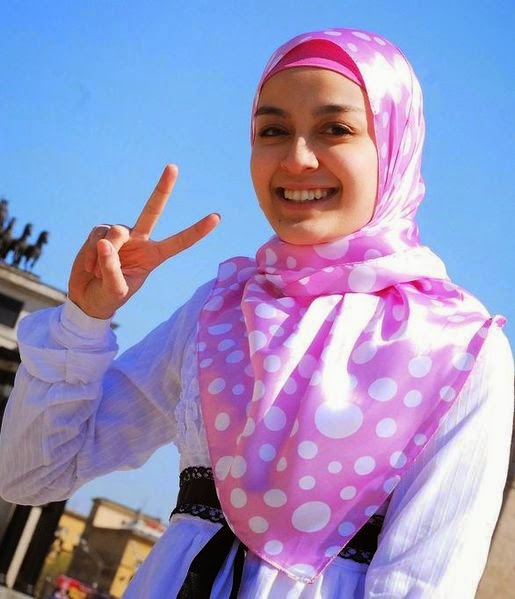
Posts mit dem Label Schönheitsideal - Ideal of Beauty werden angezeigt. Alle Posts anzeigen

Dienstag, 9. Mai 2017

Brillen ❤ || Glasses ❤


Hallo Welt, ich weiß, ich habe ewig nicht mehr geschrieben, aber da bin ich wieder! Ich war extrem beschäftigt, aber ich werde jetzt wieder versuchen, regelmäßiger zu bloggen. Besonders oft wird es trotzdem nicht sein, aber immerhin (hoffentlich) mit weniger langen Pausen zwischen den Blogposts.

Heute wollte ich mit euch über ... Brillen sprechen. 😃 Ich trage jetzt seit ungefähr 15 Jahren Vollzeit Brille. Ich kenne Leute die ihre Brillen nicht leiden können oder denen sie peinlich sind - ich bin total begeistert von meinen! Ich hatte ungefähr 9 Jahre lang das gleiche Paar getragen (das ich total gerne gemocht habe), bis ich dann vor anderthalb Jahren zwei neue Paar gekauft habe ... und dann noch zwei Paar im Februar oder März. (Ich weiß, kein Mensch braucht so viele Brillen...) 

Im Moment trage ich zweite von oben am meisten, aber ich wechsel auch regelmäßig. Leute, die meinen, sie könnten Brille nicht mit Kopf tragen, habe ich noch nie verstanden. Ganz ehrlich, wenn du Kopfschmerzen vom Brille mit Hijab tragen bekommst, dann ist entweder deine Brille zu eng (lass sie dir beim Optiker richtig einstellen!) oder du musst dein Kopftuch loser binden...

Hello world, I know it's been a while but I'm back! I have been very busy, but I'll try to blog more regularly again. It still won't be very often, but I'll try not to have too long gaps between blog posts. 

Today I wanted to speak with you about ... glasses. 😃 I have been wearing glasses full-time for around 15 years now. I know some people don't like their glasses or feel awkward about them - I absolutely love mine! I had been wearing the same pair (which I absolutely loved) for about 9 years, until I got two new pair one and a half years ago, and then another two pair in February or March. (I know, no-one needs that many glasses...) 

At the moment, I wear the second from the top most of the time, but I regularly switch. I don't understand people who complain they can't wear glasses with hijab. To be honest, if you get a headache from wearing hijab with glasses, either your glasses are too tight (get them adjusted at your optician's!) or you need to wrap your hijab more loosely...
.

Mittwoch, 4. November 2015

Dich selbst || Yourself


und wenn 
ich dich bitten würde, 
alle dinge, 
die du liebst, 
aufzuzählen, 
wie lange würdest du brauchen, 
bis du 
dich selbst 
nennen würdest? 

~ anonym

and if
i asked you to
name all the things
that you love,
how long would it take
for you to name
yourself?

~ anonymous
,,,,

Mittwoch, 1. Juli 2015

Eine feministische Aussage || A feminist statement

- 14 Ramadan - 


"Mein Kopftuch hat nichts mit Unterdrückung zu tun. Es ist eine feministische Aussage"

"Befreiung liegt in der Wahlfreiheit" 

Hanna Yusuf über die Aufregung über das Kopftuch, Schönheitsideale und Sexsymbole, progressive Werte und kommerzielle Imperative, was Femen falsch verstanden haben und wie manche junge Frauen durch das Tragen des Kopftuchs das Recht auf ihre Körper, Selbstbestimmung und Eigenständigkeit unterstreichen.


"My hijab has nothing to do with oppression. It's a feminist statement" 


"Liberation lies in the choice"


Hanna Yusuf about the uproar about the hijab, beauty ideals and sex symbols, progressive values and commercial imperatives, what Femen got wrong and how some young women reclaim their bodies and get empowered through the hijab.

hijab fashion

Montag, 23. Februar 2015

Mode und Schönheit im Wandel || Fashion and beauty throughout time

Die Genauigkeit dieses kurzen Videos kann man wahrscheinlich diskutieren, und wahrscheinlich wäre es präziser, von "Schönheit in Teheran und anderen großen iranischen Städten" zu sprechen (anstelle von "Schönheit im Iran"), aber die Hauptbotschaft bleibt die Gleiche und bringt es auf den Punkt: Was als modisch, schön, tragbar empfunden ist ständigem Wandel unterworfen und bleibt kaum jemals unverändert. Und das gilt für den Iran genauso sehr wie überall anders.
 
The accuracy of this short video can probably be debated, and it would most likely be more precise to be speak of "Beauty in Teheran and other big Iranian cities" (instead of "Beauty in Iran"), but the main message remains spot-on: what is considered fashionable, beautiful, acceptable to wear is subject to constant change and hardly ever remains the same. And that is true for Iran as much as for everywhere else.


dgdg

Sonntag, 4. Januar 2015

Wer hat den Schmuck verboten || Who has forbidden the adornment


"Sag: Wer hat den Schmuck Allahs verboten, den Er für Seine Diener hervorgebracht hat, und (auch) die guten Dinge (aus) der Versorgung (Allahs)? Sag: Sie sind im diesseitigen Leben für diejenigen (bestimmt), die glauben, und am Tag der Auferstehung (ihnen) vorbehalten. So legen Wir die Zeichen ausführlich dar für Leute, die Bescheid wissen.

Sag: Mein Herr hat nur die Abscheulichkeiten verboten, was von ihnen offen und was verborgen ist; und (auch) die Sünde und die Gewalttätigkeit ohne Recht, und, daß ihr Allah (etwas) beigesellt, wofür Er keine Ermächtigung herabgesandt hat, und daß ihr über Allah (etwas) sagt, was ihr nicht wißt."

(Qur'an 7: 32 - 33)

"Say, 'Who has forbidden the adornment of Allah which He has produced for His servants and the good [lawful] things of provision?' Say, 'They are for those who believe during the worldly life [but] exclusively for them on the Day of Resurrection.' Thus do We detail the verses for a people who know.

Say, 'My Lord has only forbidden immoralities - what is apparent of them and what is concealed - and sin, and oppression without right, and that you associate with Allah that for which He has not sent down authority, and that you say about Allah that which you do not know.'"

(Qur'an 7: 32 - 33)
lkkl

Montag, 29. Dezember 2014

Lila und blau || Purple and blue


Wurde dir jemals erzählt, bestimmte Farben würden nicht zueinander passen? Hast du jemals ein Outfit doch nicht getragen, weil du dachtest, das sei tatsächlich der Fall, weil du diesen Leuten Glauben schenktest? Ein Jahr in Südasien hat mich in Bezug auf (angeblich) verrückte Farbkombinationen um einiges abenteuerfreudiger gemacht. Ich trage jetzt Orange mit Pink, oder Gelb mit Blau, Limettengrün mit Taubenblau. Was mir gefällt, geht. Wie in diesem Outfit von meiner Freundin Inayah. Lila, Blau und Braun - warum nicht?

Have you ever been told certain colours didn't go well together? Have you ever not worn an outfit because you believed that that was actually the case, that those people were right? Living in South Asia has made me much more adventurous when it comes to (supposedly) "crazy" colour combinations. Now I wear orange with pink, or yellow with blue, lime green with pigeon blue. Whatever I like works. Like in this outfit worn by my friend Inayah. Purple, blue and brown - why not?


 Galle, Sri Lanka, Dezember 2014 || Galle, Sri Lanka, December 2014
hkjhkjkhj

Samstag, 15. November 2014

Über Toleranz || On tolerance


Ich wurde vor Kurzem von der ARD im Rahmen der Themenwoche Toleranz interviewt. Das Interview, in dem ich über Toleranz, Freiheit, Hijab und diesen Blog spreche, findet sich hier.

I was recently interviewed by the ARD ( ~ the German equivalent of the BBC) as part of their themed week on tolerance. You'll find the interview in which I speak about tolerance, freedom, wearing hijab and this blog here. It's in German - if I get a chance, I'll translate it into English and post it here inshaallah.
.

Donnerstag, 6. November 2014

Über äußere Erscheinung und innere Schönheit || On outer appearance and inner beauty


Guest post by Abdurrahman Al-Khanati

Looking into the mirror is a daily habit most of us do. Yet, we can glean great insight from how it is done in the prophetic way. The Prophet Muhammad (peace be upon him) used to make a certain du'aa as he looked into the mirror:

اللَّهُمَّ أَنْتَ حَسَّنْتَ خَلْقِي فَحَسِّنْ خُلُقِي

“Allahumma kama hasanta khalqi fahassin khuluqi.”

“Ya Allah, as you have beautified my outer appearance, make my inner being beautiful as well.”

Khalq and khuluq are two words that share the same consonants but differ in their vowels. The first is this meat suit, this body through which we access the physical world. The second, khuluq, is our moral compass, our character, our principles, values, and intentions.

There are two lessons to be taken from this beautiful practice. First, the Messenger (peace be upon him) did, in fact, look in the mirror. There is no place for neglecting appearances in Islam. The instances for such a point in the Quran and the Sunnah are consistent and bountiful. But more importantly, he is teaching us that as we look into the mirror, and, equally, as we ask ourselves this mysterious but unavoidable question of "who am I?", we should not stop at this automatic mental picture of our faces that we see in the mirror. "This is only part of me, and a very small part", the prophetic dua'a implies. We are asked to go beyond the surface and have a wholesome deeper understanding of ourselves than what our senses convey. May Allah make us beautiful in both our outward appearance and our inner characteristics.

Gastbeitrag von Abdurrahman Al-Khanati

In den Spiegel zu schauen ist eine tägliche Angewohnheit, die die meisten von uns haben. Dabei können wir einiges von der Art und Weise, wie der Prophet dies getan hat, lernen. Der Prophet Muhammad (Friede sei auf ihm) sagte, wenn er in den Spiegel blickte, ein bestimmtes Gebet: 

اللَّهُمَّ أَنْتَ حَسَّنْتَ خَلْقِي فَحَسِّنْ خُلُقِي

“Allahumma kama hasanta khalqi fahassin khuluqi.”

“O Allah, so wie du mein Äußeres schön gemacht hast, mache auch mein inneres Wesen schön.”

Khalq und khuluq sind zwei Wörter, die aus den gleichen Konsonanten bestehen, aber sich in ihren Vokalen unterscheiden. Das erste ist unsere fleischliche Hülle, der Körper, durch den wir die physische Welt erfahren. Das zweite, khuluq, ist unser moralischer Kompass, unser Charakter, unsere Prinzipien, Werte und Absichten. 

Zwei Lehren können wir aus dieser schönen Angewohnheit ziehen. Erstens hat der Gesandte (Friede sei auf ihm) tatsächlich in den Spiegel geschaut. Es gibt im Islam keinen Vorwand, sein Äußeres zu vernachlässigen. Beispiele hierfür finden sich im Quran und der Sunnah zahlreiche an vielen Stellen. Noch wichtiger jedoch ist dass der Prophet uns lehrt, dass wenn wir in den Spiegel schauen und uns dabei, die rätselhafte aber unumgängliche Frage, wer wir sind, stellen, wir nicht an diesem automatischen mentalen Bild unseres Gesichts, dass wir im Spiegel sehen, Halt machen sollen. "Das ist nur ein Teil von mir, und zwar ein sehr kleiner Teil", impliziertdas prophetische Gebet. Wir werden dazu aufgefordert, hinter die Fassade zu schauen und ein umfassendes, tieferes Verständnis von uns zu entwickeln, als es unsere Sinne uns vermitteln. Möge Allah uns schön in unserer äußeren Erscheinung und unseren inneren Charakteristika machen.
 .

Sonntag, 12. Oktober 2014

Das Wesentliche nicht aus den Augen verlieren || Putting things into perspective


This ayah is such an apt reminder, especially to all those of us reading, writing or thinking about hijab fashion... Enjoy what you like, but don't ever fall into the trap of taking something as peripheric as fashion or your looks more serious than it actually is.

"Know that the life of this world is but amusement and diversion and adornment and boasting to one another and competition in increase of wealth and children - like the example of a rain whose [resulting] plant growth pleases the tillers; then it dries and you see it turned yellow; then it becomes [scattered] debris. And in the Hereafter is severe punishment and forgiveness from Allah and approval. And what is the worldly life except the enjoyment of delusion."

Qur'an 57: 20

Diese Ayah is ein so treffender Reminder, vor allem für all jene von uns, die über Hijab-Mode lesen, schreiben oder denken... Genieße, was immer dir gefällt, aber mache niemals den Fehler, etwas so Peripheres wie Mode oder dein Aussehen wichtiger zu nehmen als es ist.

"Wißt, daß das diesseitige Leben nur Spiel und Zerstreuung ist, Schmuck und gegenseitige Prahlerei und Wettstreit nach noch mehr Besitz und Kindern. Es ist wie das Gleichnis von Regen, dessen Pflanzenwuchs den Ungläubigen gefällt. Hierauf aber trocknet er aus, und da siehst du ihn gelb werden. Hierauf wird es zu zermalmtem Zeug. Im Jenseits aber gibt es strenge Strafe und (auch) Vergebung von Allah und Wohlgefallen. Und das diesseitige Leben ist nur trügerischer Genuß."

Qur'an 57: 20 
.

Dienstag, 30. September 2014

Was zum Lachen || Something funny

Ich bin gerade über diesen Artikel über Sachen, die nur Hijabis machen, gestoßen. Ich würde nicht wirklich allen zustimmen (2, 4, 6, 9, 10, 18 und 22 zum Beispiel), aber bei einigen musste ich lachen. 11, zum Beispiel - ja, könnte sein, dass ich das schon mal gemacht habe! :D

I have just come across this article on things only hijabis do. I don't actually agree with all of those (2, 4, 6, 9, 10, 18 and 22 in particular) but some made me laugh out loud. 11, for example - yes, I might have done that! :D

.

Montag, 22. September 2014

Hört auf mit den Vergleichen || Stop the comparisons


Ich bin auf diesen kurzen Artikel über die Grausamkeit, sich selbst mit anderen zu vergleichen, vor ein paar Tagen gestoßen. Dieses Thema ist verdammt wichtig für so viele von uns, vor allem für Leser von Modeblogs, aber eigentlich für jeden, der Social Media benutzt, Facebook, Instagram, Pinterest... Lest euch den Artikel durch. Und dann hört auf mit den (ungesunden) Vergleichen und mit dem Verurteilen. Tut euch das selbst nicht an - und keinem anderen. Konzentriert euch auf euch selbst, darauf, besser zu werden, und nicht darauf, wie gut oder schlecht andere sind. Alles andere ist verschwendete Zeit.

I came across this brief article on the cruelty of comparing yourself to others a couple of days ago. This is such a relevant topic, especially to readers of fashion blogs, or anyone using social media, Facebook, Instagram, Pinterest, for that matter. Go and read this article. And then stop the (unhealthy) comparisons and stop the judging. Don't do this to you - or others. Focus on yourself, on getting better, not on how good or bad others are. Everything else is time wasted.
.

Montag, 15. September 2014

Schön warst du immer || You've always been beautiful


"You've always been beautiful. Now you're just deciding to be healthier, fitter, faster, stronger. Remember that."

"Schön warst du schon immer. Jetzt hast du dich bloß dafür entschieden, gesünder, fitter, schneller und stärker zu sein. Vergiss das nicht."
.

Samstag, 6. September 2014

Bartfragen || Beard questions

Teil 6 der Reihe zu Männer, Mode und Islam
(Teil 1, Teil 2, Teil 3, Teil 4, Teil 5)
.
Part 6 of the series on men, fashion and Islam 
(part 1, part 2, part 3, part 4, part 5)


Viele muslimische Männer tragen Bart, und die Debatte unter Gelehrten dreht sich darum, ob das Tragen eines Bartes fardh, wajib oder "nur" sunnah ist. Für viele Muslime ist ein (muslimischer) Mann mit Bart genauso sehr "mashaallah" wie es eine Frau mit Hijab ist, und damit meine ich, dass sie davon ausgehen, dass die Person, um die es geht, ganz besonders rechtsgläubig ist. Wir wissen natürlich alle, dass das nicht immer der Fall ist und dass es ziemlich irreführend sein kann, den Iman eines Muslims davon, wie er oder sie aussieht, ableiten zu versuchen. Dabei leben wir in einer multireligiösen Gesellschaft, und werden nicht nur von anderen Muslimen sondern auch nichtmuslimischen Mitgliedern unserer Gesellschaft beurteilt. Welche Signale senden verschiedene Arten von Bärten an Nicht-Muslime? Was denken Leute, wenn ein Mann mit Bart vor ihnen steht - oder ihnen im Vorstellungsgespräch gegenüber sitzt? Welche Stereotype sind mit einem Vollbart, Schnurrbart, Bartstoppeln verbunden? In diesem Artikel auf "The Art of Manliness" betrachtet Antonio Centeno das Thema näher.

Many Muslim men wear a beard, with scholars debating whether growing a beard is fardh, wajib or "just" sunnah. To many Muslims, a (Muslim) man with a beard is as much "mashaallah" as a woman with hijab, and by that I mean that they make the assumption that the person in question is particular pious. We all know, of course, this is not always the case and that it can be misleading to judge a Muslim's level of iman by the way they look. However, we live in a multireligious society and are not judged by fellow Muslims only but also by non-Muslim members of our society. What signals do different kinds of beards send to non-Muslims? What do people think if a guy with a huge beard stands in front of them - or sits opposite them in a job interview? What stereotypes are associated with a full beard, a mustache, some stubbles? In this article on "The Art of Manliness", Antonio Centeno explores the topic in detail.
 .

Montag, 18. August 2014

Sie war schön || She was beautiful


"She was beautiful, but not like those girls in the magazines. She was beautiful for the way she thought. She was beautiful for that sparkle in her eyes when she talked about something she loved. She was beautiful for her ability to make other people smile even when she was sad. No, she wasn't beautiful for something as temporary as her looks. She was beautiful, deep down to her soul."

 
"Sie war schön, aber nicht so wie diese Mädchen in den Zeitschriften. Sie war schön wegen der Art, wie sie dachte. Sie war schön wegen des Funkelns in ihren Augen, wenn sie über etwas sprach, dass sie liebte. Sie war schön wegen ihrer Fähigkeit, andere Leute zum Lächeln zu bringen, auch wenn sie traurig war. Nein, sie war nicht schön wegen so etwas zeitlich begrenztem wie ihrem Aussehen. Sie war schön, bis tief drinnen in ihrer Seele."

.

Dienstag, 15. Juli 2014

Schönheit || Beauty

Not that we didn't know ... but just in case anyone needed the reminder.

“He who is attracted to you because you showed perhaps your legs or your shape - those legs are not going to look like that for the rest of your life, nor will you be able to maintain that shape forever. So therefore it is better for you to realise that he who is attracted to your heart, your goodness and your character is the one to whom no matter what you look like, he will love you and adore you and 60 years down the road would still tell you that you’re ‘the one’.”

(Mufti Ismail Menk)


Nicht, dass wir das nicht sowieso wussten ... aber nur für den Fall, dass das irgend jemand mal wieder als Erinnerung brauchte.

"Ein Mann, dem du gefällst, weil du vielleicht eine Beine oder deine Figur gezeigt hast - deine Beine werden so nicht für den Rest deines Lebens aussehen und deine Figur wirst du auch nicht ewig halten können. Es ist deshalb besser, wenn dir klar wird, dass ein Mann, dem dein Herz gefällt, deine Art und dein Charakter, ein Mann ist, der dich - unabhängig davon, wie du aussiehst - immer lieben und bewundern wird und der dir in 60 Jahren immer noch sagen wird, dass du für ihn die Einzige bist."

(Mufti Ismail Menk)
.

Freitag, 27. Juni 2014

Schönheit und Stolz || Beauty and pride

Narrated Abu Hurayrah: A man who was beautiful came to the Prophet (saws). He said: Messenger of Allah, I am a man who likes beauty, and I have been given some of it, as you see. And I do not like that anyone excels me (in respect of beauty). Perhaps he said: "even to the extent of thong of my sandal (shirak na'li)", or he he said: "to the extent of strap of my sandal (shis'i na'li)". Is it pride? He replied: No, pride is disdaining what is true and despising people. [Sunan Abi Dawud]


Es berichtete Abu Hurayrah: Ein Mann, der schön war, kam zum Propheten (saws). Er sagte: Gesandter Allahs, ich bin ein Mann, der Schönheit liebt, und wie du siehst, wurde mir etwas Schönheit gegeben. Und ich mag es nicht, wenn jemand mich übertrifft (in Schönheit). Vielleicht sagte er: "selbst, wenn es nur so viel mehr wie Riemen meiner Sandale (shirak na'li) ist", oder er sagte: "so viel wie die Schlaufe meiner Sandale (shis'i na'li)". Ist das Stolz? Er antwortete: Nein, Stolz ist es, gering schätzen, was wahr ist und Menschen zu verachten. [Sunan Abi Dawud]
.

Mittwoch, 4. Juni 2014

Über Hijab || On hijab

Nouman Ali Khan zu Hijab in der Deen Show
Nouman Ali Khan on hijab on the Deen Show


Ist Hijab wirklich verpflichtend? Und wie genau soll man sich bedecken? Warum legen manche das Kopftuch wieder ab und wie sollten wir reagieren, wenn eine Freundin oder Bekannte das tut? Und reicht es, Hijab zu tragen oder ist das noch mehr, was man beachten sollte?

Wie die Deen Show präsentiert wird, ist nicht gerade mein Ding (aber das mag vor allem daran liegen, dass ich Deutsche bin - das ist mir einfach ein bisschen zu US-amerikanisch...!), aber die Antworten von Nouman Ali Khan fand ich richtig gut. (Außer der, in der er darüber spricht, was man in Anwesenheit seines eigenen Vaters tragen würde. Aber das ist wahrscheinlich wieder kulturell bedingt.)

Is hijab really obligatory? And how exactly are you required to cover? Why do some take it off and how should we react if that happens to a friend or acquaintance of ours? Is there more to modesty than just hijab?

I am not particularly fond of how the Deen Show is presented (but that might just be due to my being German ... this is just a bit too US American for my taste...!), but I love the responses Nouman Ali Khan gives on the presenter's questions on hijab. (Except for what he says about the kind of clothes you'd wear in ront of your father. But that's probably cultural again.)

.

Samstag, 24. Mai 2014

Vielfalt ist die Norm || Diversity is the norm

Oder: Mode, Werbung und Schönheitsideale
Or: Fashion, advertising and ideals of beauty

Es wird viel darüber geschrieben, inwiefern Mode und Werbung einen negativen Einfluss auf viele junge Leute haben. Dass sie ein verzerrtes Schönheitsideal propagieren und so weiter. Das mag im Großteil der Fälle zutreffen, aber es gibt auch Gegenbeispiele. Werbung kann auch ein positives Bild verbreiten. Sie kann deutich machen, dass es viele Arten gibt, schön zu sein. Dass Vielfalt die Norm ist. Dass jeder schön sein kann. Wie zum Beispiel diese Serie von Bildern, die ich im Winter in einer GAP-Filiale entdeckt habe. 

Much has been said about the ways in which fashion and advertising have a negative impact on many young people. That they convey a distorted ideal of beauty and so on. This might be true in the majority of cases, but there are counterexamples as well. Publicity can promote positive images, too. It can illustrate that there are many ways of being beautiful. That diversity is the norm. That anyone can be beautiful. As for example this series of pictures which I discovered in a GAP store this winter.


England, Winter 2014
.

Montag, 21. April 2014

Spiegelbild || Reflection

Photo: Conscious Consumers

"Warning: Reflections in this mirror may be distorted by socially constructed ideas of 'beauty'."

"Warnung: Das Spiegelbild, welches Sie hier sehen, ist möglicherweise durch gesellschaftlich konstruierte Vorstellungen von 'Schönheit' verzerrt."
 .

Samstag, 22. Februar 2014

Zu Genügsamkeit und Identität || On frugality and identity

"Frugality creates an authentic self. Our consumerist society wants us to believe that we are what we buy. But despite what advertisers tell us, we are made up of the things that cannot be purchased – our values, ethics, minds, relationships, and hobbies. Frugality forces you to find an identity that can’t be bought off the shelf."
 
The Art of Manliness


"Genügsamkeit schafft ein authentisches Selbst. Unsere Konsumgesellschaft will uns glauben machen, dass wir sind, was wir kaufen. Aber unabhängig von dem, was Werbeleute uns versichern, sind es Dinge, die man nicht kaufen kann, die uns ausmachen - unsere Werte, Moral, unser Geist, Beziehungen und Hobbies. Genügsamkeit zwingt dich dazu, eine Identität zu finden, die man nicht einfach im Laden kaufen kann."